Slow Food Presidia
Presidia are living examples of our philosophy in action.
They are small-scale food productions that protect traditional and artisanal products that are at risk of disappearing. Presidia producers follow the principles of agroecology, respecting the soil, water, animal welfare, and biodiversity. They use time-honored methods and avoid the use of pesticides, antibiotics, preservatives, artificial additives, and dyes.
The Presidium helps producers to be less isolated to overcome challenges and to access a fairer market.
Presidia are not just about food; they are also about culture. They preserve agricultural landscapes and the wisdom and skills of local producers. They are virtuous examples of the local economy, providing jobs and supporting rural communities.

Arizona Presidium
Navajo-Churro Sheep
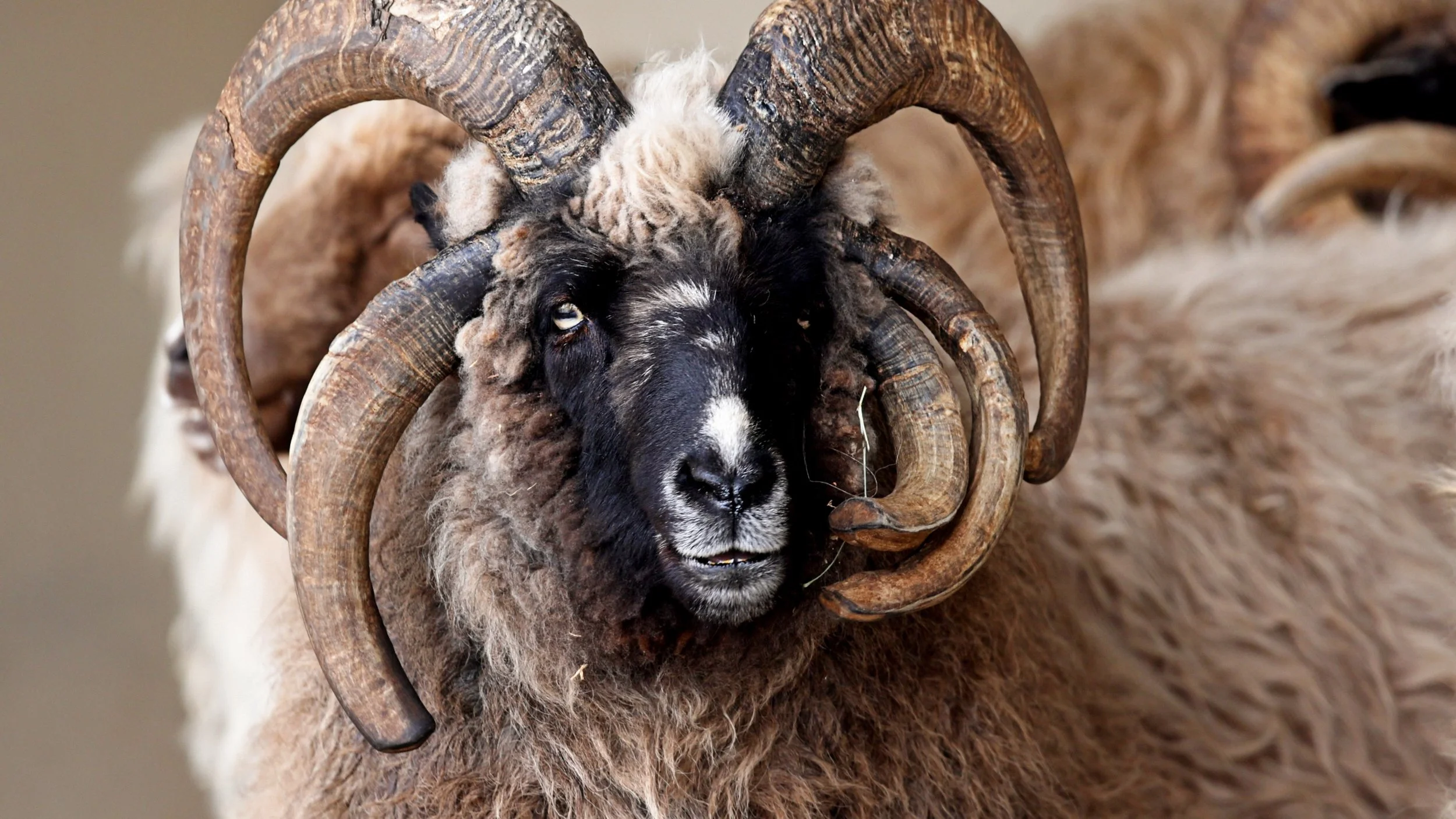
In the summer of 2006, several non-profit organizations joined forces with Slow Food USA to establish a Presidium to promote Navajo-Churro lamb meat and to foster its sustainable production. The Navajo-Churro Sheep Presidium was initialy organized to benefit a loose collective of Diné sheepherders, hand-spinners and weavers, who live on western and northern “chapters” of the Navajo Indian reservation. The project is developing direct-marketing strategies within the region, particularly targeting chefs, organic buying coo- peratives (CSA’s) as well as trading posts and food markets on the reservation. Now, for the first time, the lamb is featured in regional restaurants. The Presidium was initially formed through the collaboration of Slow Food USA with Diné Be’iina, the Navajo Churro-Sheep Association, American Livestock Breeds Con- servancy, and the Center for Sustainable Environments, and Renewing America’s Food Traditions. Slow Food Northern Arizona, the Institute for Integrated Rural Development at Diné College, the Navajo Sheep Project, and Heifer International have also played important supporting roles in Navajo and Hispanic lands in New Mexico. The hope is that once the marketing model in the western Navajo area has been proven a success, a similar initiative can be undertaken in the eastern Navajo region and the hispanic areas of New Mexico.
Production area
Colorado Plateau Region, within Arizona, New Mexico, Colorado and Utah

USA Presidium
American Raw Milk Cheeses
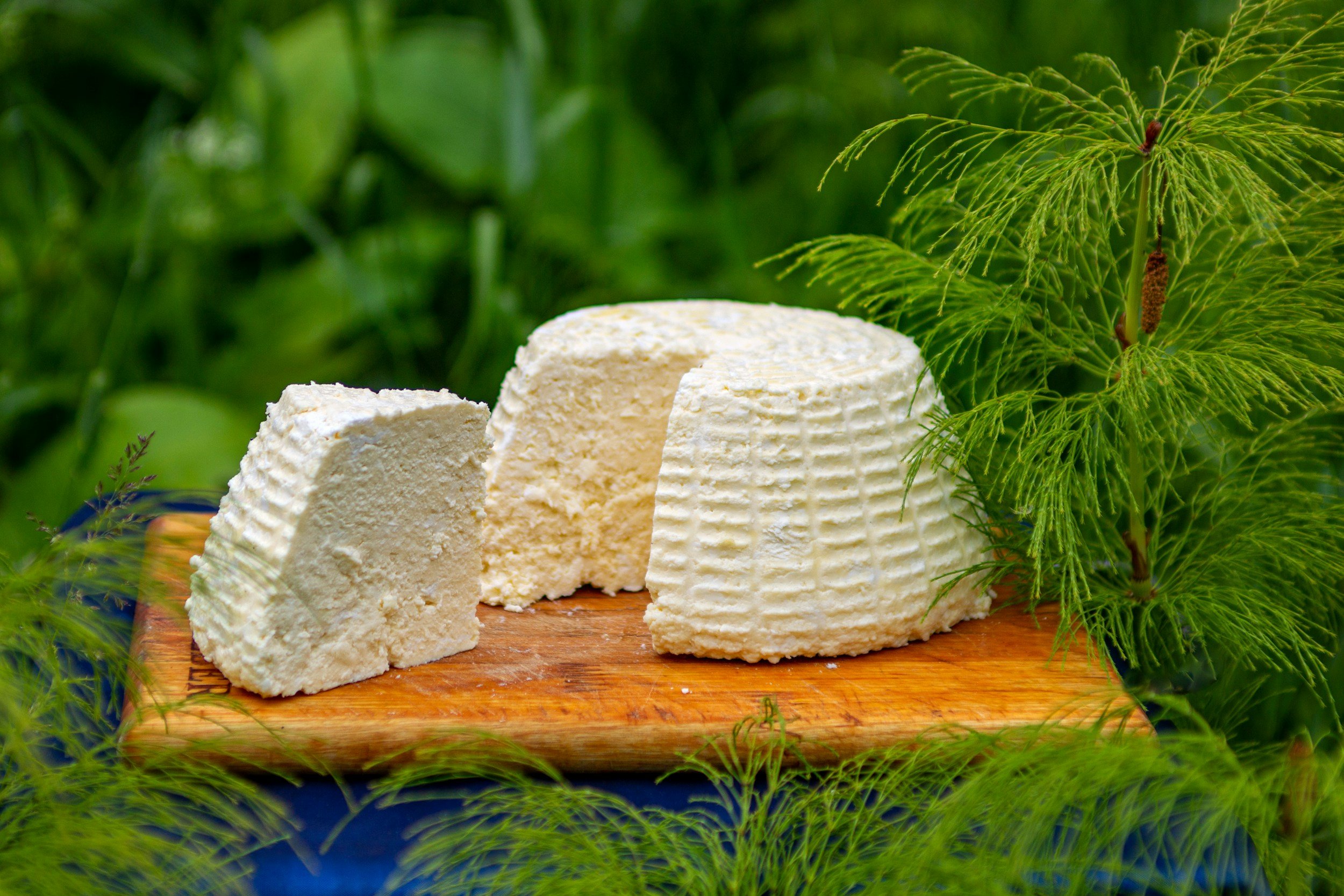
To support efforts in the United States to produce raw milk cheeses, the Slow Food Foundation for Biodiversity reconsidered the normal structure of a Presidium and focused on American raw milk cheesemakers’ needs and goals. The result is a Presidium that unites 24 producers, connected not by historical or geographic links but by common aims: the improvement of quality of American raw milk cheeses and the creation of links between cheesemakers.
The producers work with great respect for the diversity of this region: for its pastures and woodlands as well as for their herds and flocks. They exclusively use raw milk from their own animals, producing high-quality cheese that it is flavourful, nutritious and healthy. The 31 Presidium cheeses meet the strict rules of the production specification: they are all produced with raw milk from cows treated with humanity and that live in environmentally-friendly farms. All the cheese produced is evaluated for its general quality and to ensure its authenticity and goodness.The Presidium members decided to work actively to achieve the standards set out in the 2007 regulations. To improve the production quality of raw milk cheeses, every cheese producer that joins the Presidium will have to work towards meeting all of the criteria listed in the document within the first six years.
Production area
United States
The Raw Milk Cheese Presidium is administered by the Raw Milk Cheesemakers’ Association. www.rawmilkcheese.org

USA Presidium
Anishinaabeg Manoomin
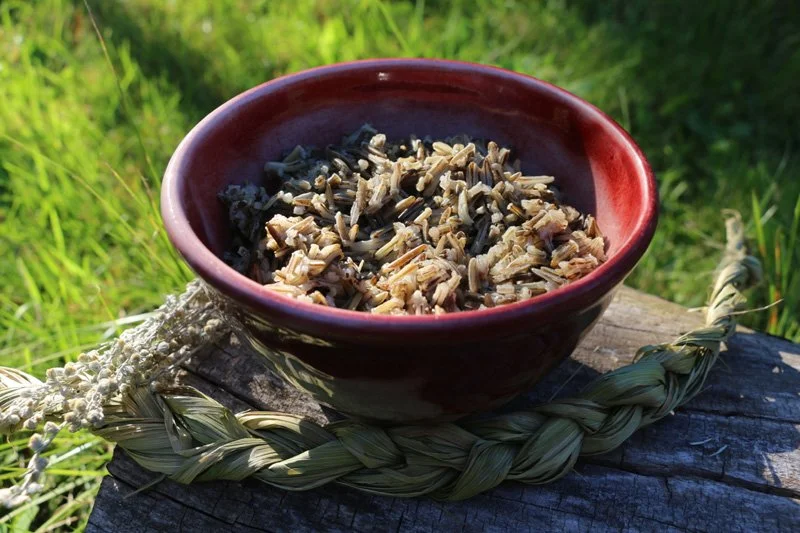
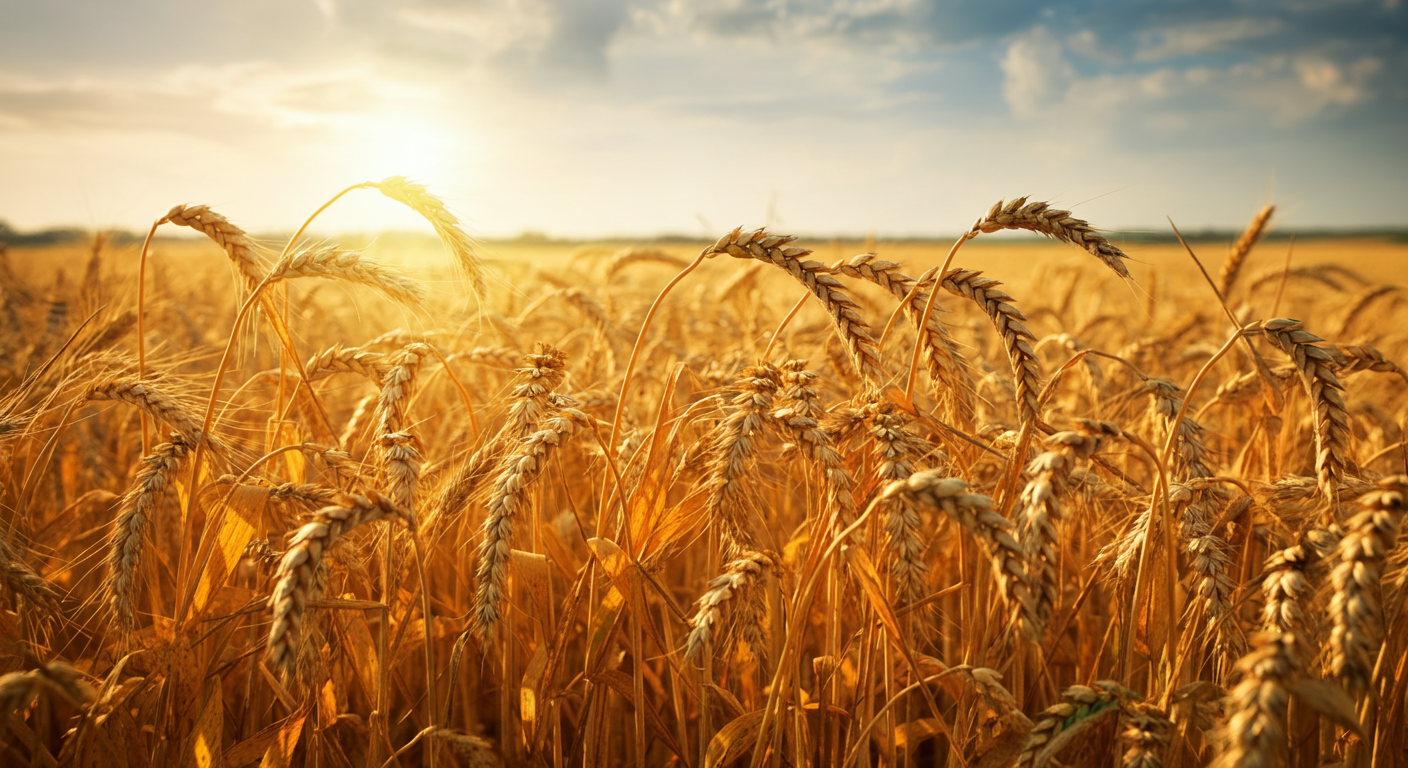
This cereal has been domesticated and more than 95% of the production comes from cultivated fields. Only the Anishinaabeg continue to use the ancient system of harvest- ing. The manoomin is gathered in north Minnesota around the lakes of the White Earth Reserve. This traditional product of North American origin is today threatened by the destruction of the natural ecosystem around these lakes, caused by the proliferation of recreational areas around them, as well as the construction of dams and agricultural runoff.
The Presidium works with existing conservation and policy initiatives developed by Na- tive Harvest (White Earth Land Recovery Project) to promote consumption of tradition- ally harvested and prepared wild rice.
Production area
Anishinaabeg tribal lands, Minnesota
Photo credit: Annmarie Geniusz / Heavy Table
USA Presidium
Bodega Red Potato
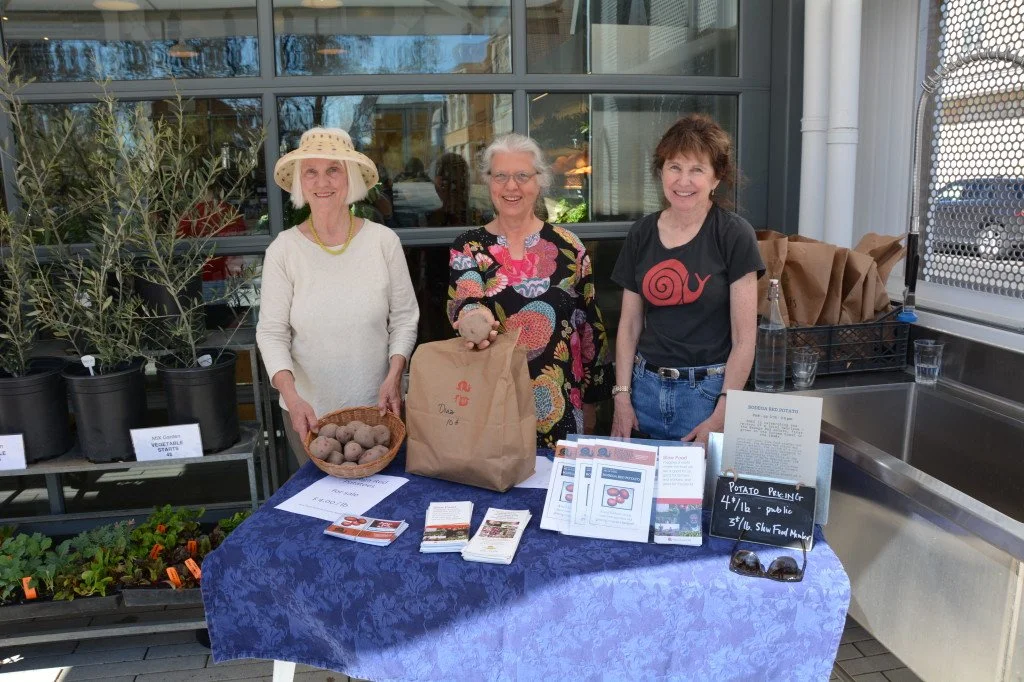
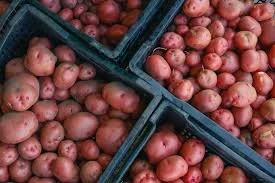
The potato is currently produced at small family farms, the majority of which are certified organic or biodynamic. Before Slow Food Sonoma County North intervened, the Bodega Red was on the brink of extinction. An anonymous donation of a few tiny tubers to the Bodega Land Trust rekindled interest in the potato. Research geneticists worked with the tubers, flowers and leaves and identified the Bodega Red as a distinct potato variety.
In 2018, Slow Food Sonoma County North chapter distributed 2000 pounds of seed potatoes to growers. In total, local farmers grew an estimated 60 acres of Bodega Red potatoes that year. The goal of Slow Food Sonoma County North is to raise awareness of this potato variety and its cultural and social connection to the local area. Through work with the seed potato source, the intention is to encourage more farmers to grow the potato and return it to prominence in the region.
Production area
Sonoma, Marin, Mendocino, Napa, and San Mateo counties in California
USA Presidium
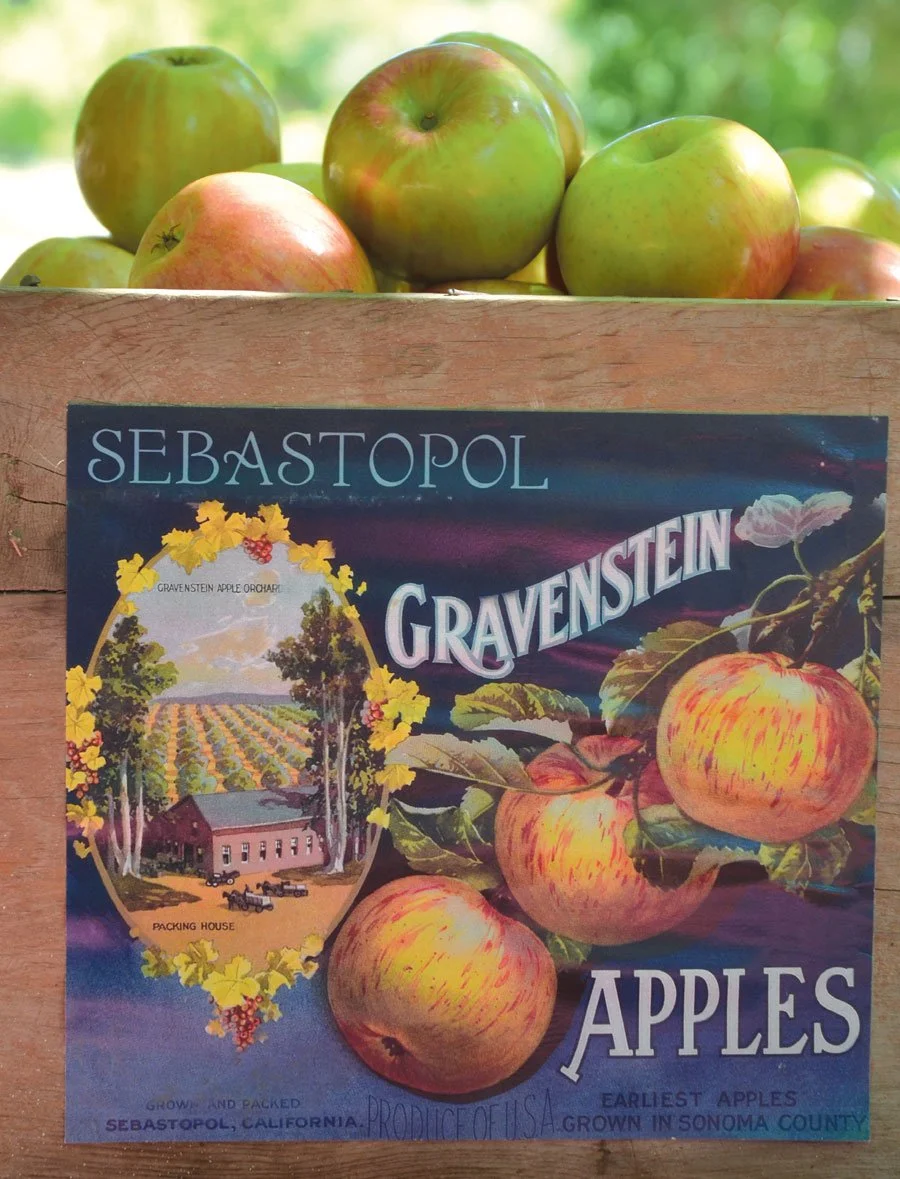
Sebastopol Gravenstein Apple