
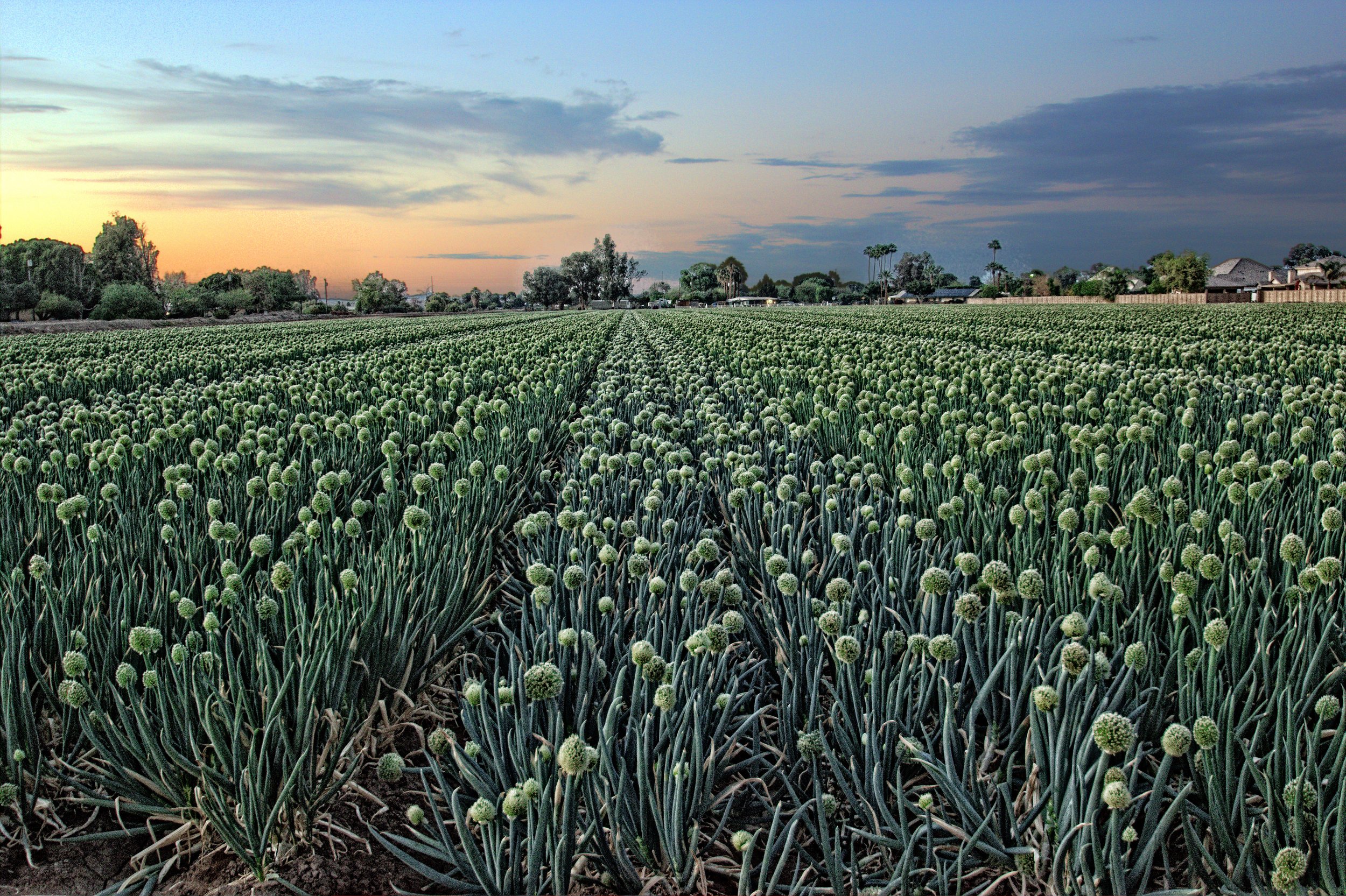
Slow Food Farms

Organized by Slow Food International, Slow Food Farms are set to become the largest global network of farms dedicated to producing good, clean and fair food in a way that’s rooted in agroecological principles.

Aligned with Slow Food’s philosophy that everyone deserves access to nourishing food that supports communities, honors the Earth and strengthens local economies, these farms embody the future of sustainable agriculture.

What is a Slow Food Farm?

A Slow Food Farm is a plot of land cultivated for agricultural purposes according to the principles of agroecology, used for growing crops and/or for raising animals for human consumption. It may include a processing unit but cannot be solely for processing.

By integrating farms into resilient local food systems, Slow Food Farms not only enhance farmers’ livelihoods but also ensure fair compensation and long-term economic stability.

Slow Food amplifies the voices of these farmers, connecting them to a global community—including activists, chefs, consumers, food artisans, fishers and fellow farmers—who have long supported the movement.

Arizona is proud to be home to two Slow Food Farms:

Ramona Farms

Ramona and Terry Button, who own Ramona Farms near Sacaton, lead the local Slow Food Farms movement. Ramona’s father Francisco 'Chiigo' Smith, an O'dham farmer, grew traditional crops on his wife Margaret's ten-acre allotment near Sacaton on the Gila River Indian Reservation in Arizona. Margaret was an herbalist and traditional healer. Together they cultivated corn, chiles, tepary beans, squash, gourds, Pima wheat, melons, and sugar cane, passing on the value of traditional foods to their daughter. Ramona and her husband Terry began farming that same allotment in 1974, starting with barley and alfalfa before expanding into cotton, corn, and wheat by leasing land from relatives and community members. In the late 1970s, community elders asked them to revive the Bafv (tepary bean), nearly extinct due to water shortages that had driven out local subsistence farmers. They discovered that Francisco had left seeds of white and brown tepary beans in glass jars in the old adobe family home. Urged by their elders, they made it their mission to bring the Bafv back — starting with those few seeds, perfecting small-scale production, and eventually growing the effort into a larger enterprise. Today they market tepary beans in multiple colors and package sizes, alongside other American Indian grown traditional, heirloom, and non-traditional food products.

Located at Highway 87 Mile Post 152 E, Satacon AZ

Oatman Farms

Oatman Flats Ranch is a 665-acre fourth-generation family farm situated along the Lower Gila River in Southern Arizona operated by Dax and Leslie Hansen, who returned to the land after decades of conventional farming and drought had degraded the soil, driven by the question: "If not us, then who?" The farm holds the distinction of being Arizona's first Regenerative Organic Certified® (premium food certification that represents the highest standard for organic agriculture, ensuring food products are produced in ways that restore ecosystems rather than simply avoiding harm) operation, where heritage grain varieties like White Sonora, Red Fife, and Blue Beard Durum are cultivated — grains that thrive in desert conditions with 60% less water than conventional wheat while delivering exceptional flavor and nutrition. In five years of regenerative stewardship, the farm has conserved over one billion gallons of water, supported more than 120 species of flora and fauna, increased soil water infiltration by 50 times, and doubled soil organic matter. Grains are stone-milled fresh on the farm every Tuesday and Thursday, and the product line includes wheat berries, stone-milled flour, pancake mixes, and vanilla extract — with community partnerships spanning Pizzeria Bianco, Chompie's, and Arizona Wilderness Brewery, as well as a school lunch program, making Oatman Farms both a model for regenerative agriculture in arid climates and a deeply rooted Arizona food community anchor. Oatman Farms is Regenerative Organic Certified® — a premium food certification that represents the highest standard for organic agriculture, ensuring food products are produced in ways that restore ecosystems rather than simply avoiding harm.

Next
Next

Snail of Approval